Choosing the right care provider for skin health is an important decision, as skin conditions can affect comfort, confidence, and long-term wellness. Patients often seek guidance when navigating treatment options for concerns such as acne, rosacea, eczema, or more specialized needs like mole removal or cosmetic enhancement. A dermatology office plays a central role in diagnosing, treating, and managing these conditions. Because dermatological care involves both medical and cosmetic considerations, it is essential to evaluate providers based on clinical qualifications, service offerings, communication approach, and long-term patient support. Taking a thoughtful and informed approach can help ensure that the provider selected aligns with personal goals for treatment and care.
A primary consideration when selecting a practice is the training, experience, and board certification of the practitioners. Dermatologists undergo extensive education, including medical school, residency in dermatology, and in some cases, additional fellowship training in subspecialties such as dermatopathology, pediatric dermatology, or cosmetic dermatology. Board certification indicates that a dermatologist has met rigorous professional standards and continues to pursue ongoing education to stay current with new research and treatment protocols. For patients seeking treatment for conditions such as psoriasis, eczema, cysts, melasma, or hyperhidrosis, working with a qualified dermatologist ensures access to diagnostic accuracy and evidence-based care.
It may also be beneficial to consider how long the practitioner has been in clinical practice and whether they have experience working with diverse skin types and tones. Certain conditions, such as keloids, melasma, and various forms of dermatitis, may present differently depending on genetics and complexion, making familiarity with a wide range of presentations important for equitable care. Patients may also want to ask whether the provider participates in clinical trials, attends professional conferences, or trains other clinicians, as these indicators can reflect a commitment to staying current with developments in dermatological science.
When researching practitioners, patients may review professional bios, online directories, and medical licensing boards. Many practices also provide information about provider backgrounds on their websites, which can help patients determine whether the clinician has experience with their specific concerns. For example, someone considering a treatment plan for rosacea or persistent acne may want to confirm that the provider routinely works with these conditions and offers a full range of options, such as topical therapies, lifestyle guidance, procedural treatments, and ongoing monitoring. Evaluating the team’s ability to offer individualized care is essential, as dermatological needs vary widely from person to person.
A second factor when selecting a dermatology office involves assessing the breadth of services available. Some practices focus primarily on medical dermatology, providing care for chronic or acute skin disorders, rashes, keloids, or skin cancer screenings and treatments. Others provide an integrated approach that includes medical, cosmetic, and surgical services. For patients who want continuity of care, a practice that combines all three areas may offer advantages in terms of convenience and coordinated treatment planning.
According to IBISWorld, the Dermatologists industry in the United States has grown at a compound annual growth rate of about 1.9% between 2020 and 2025. This growth reflects rising demand for both medical and aesthetic skin care services. As awareness increases around skin cancer prevention, anti-aging treatments, and procedures that support confidence and self-presentation, more practices are expanding their service offerings to accommodate patient interest.
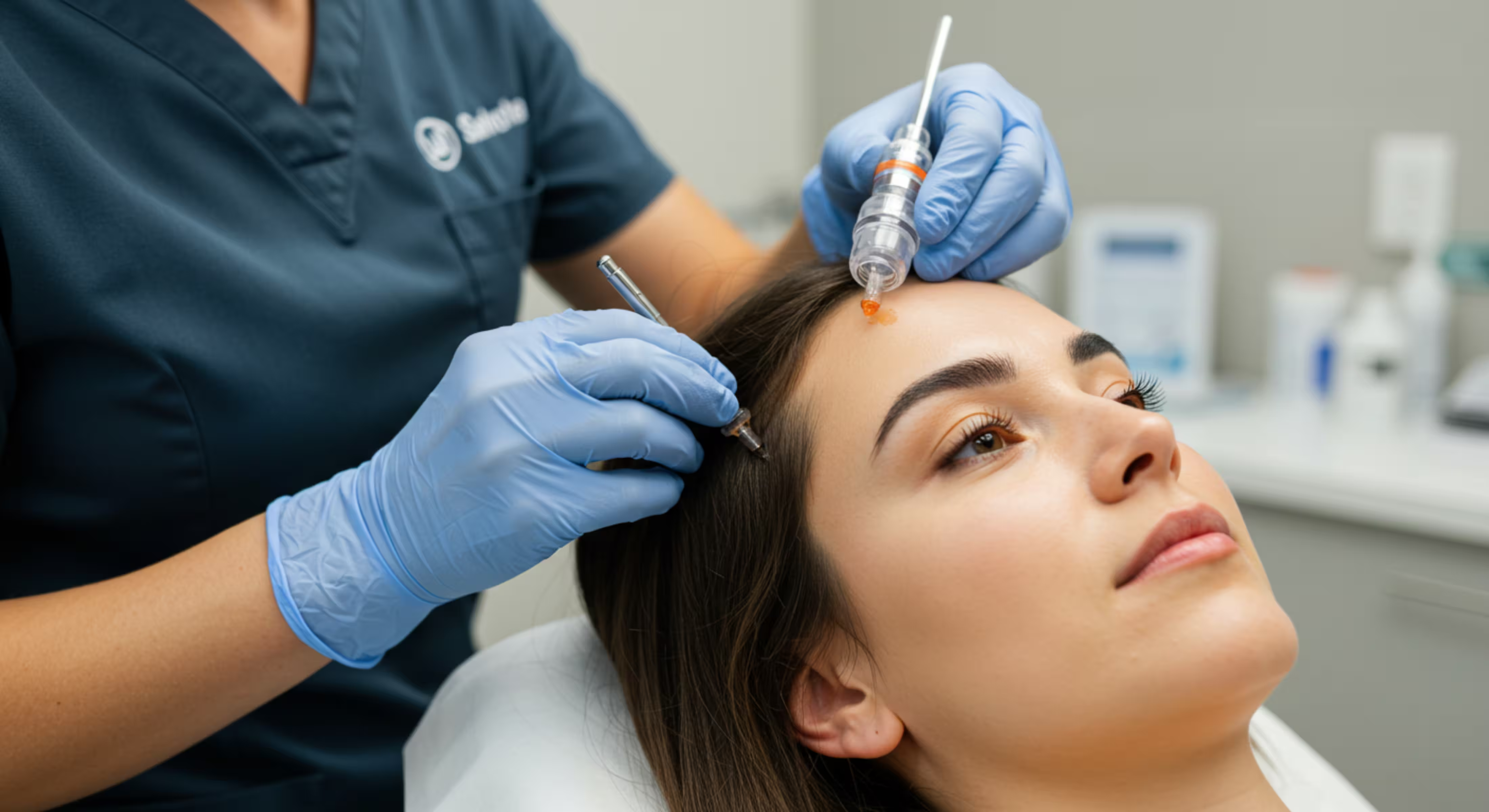
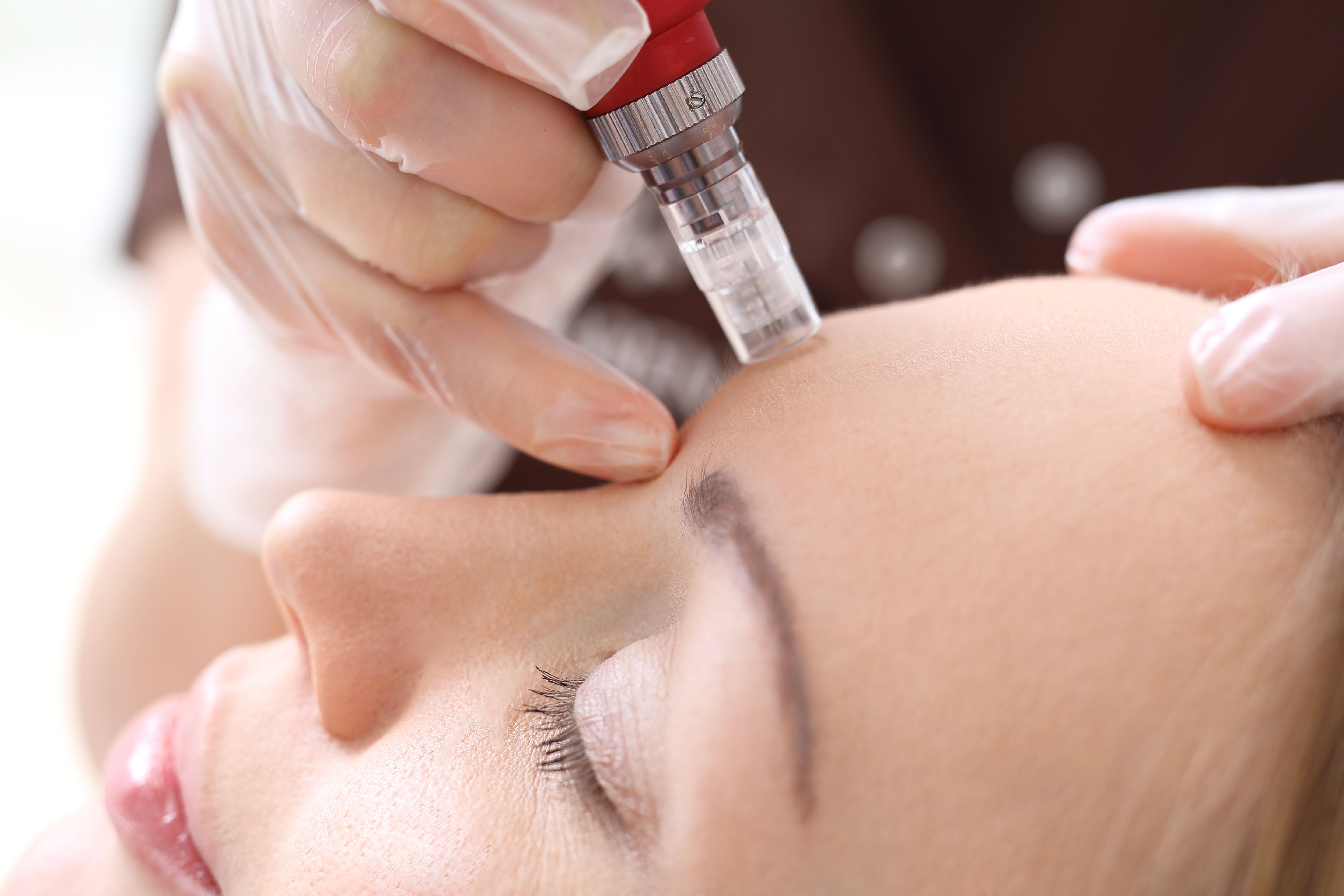
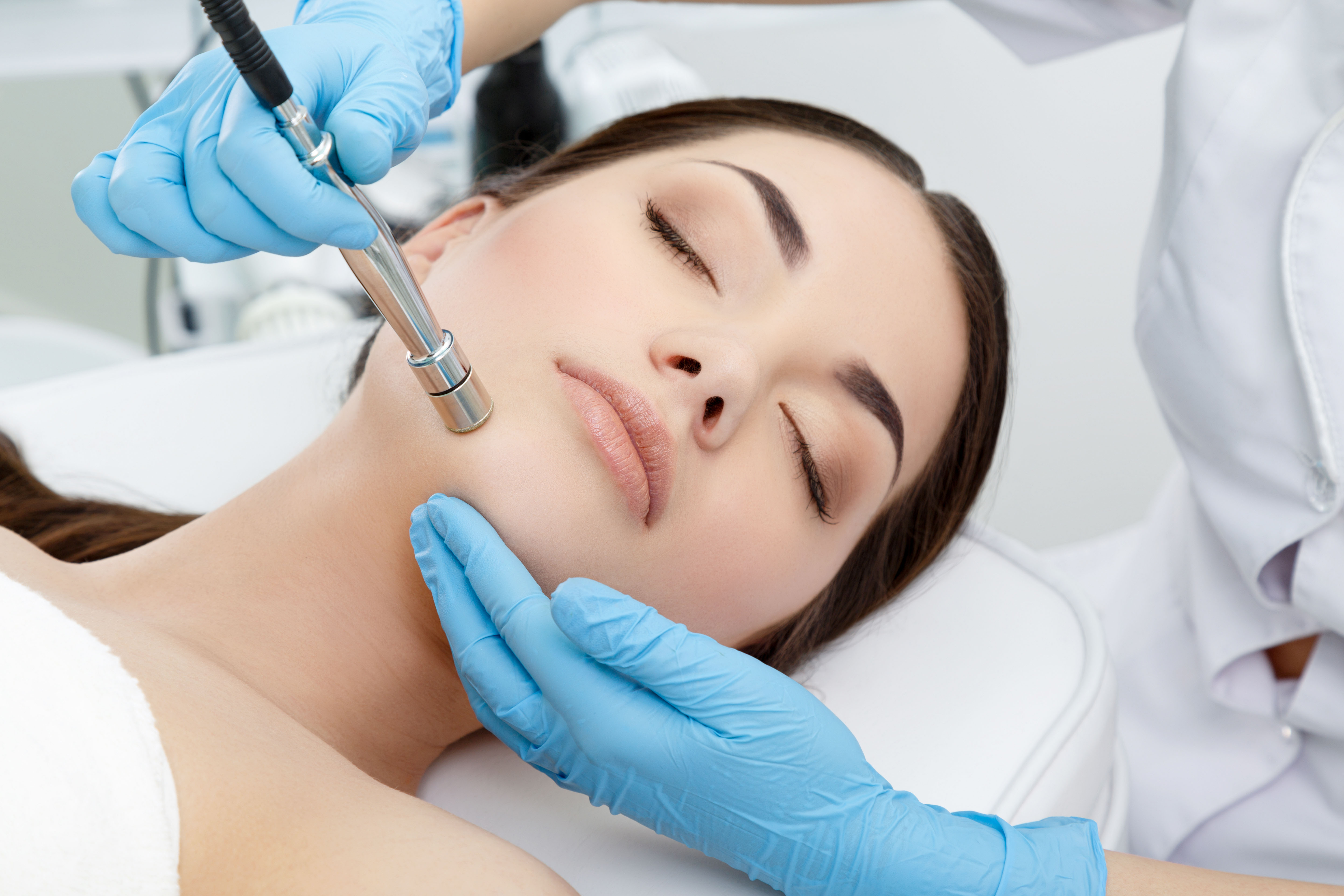
Common medical services include acne treatments, patch testing for skin allergies, psoriasis treatments, wart treatments, and care for conditions such as rashes or eczema. Cosmetic services may involve Botox or Dysport injections, chemical peels, microneedling, laser hair removal, hydrafacial services, fillers such as Juvederm and Restylane, Sculptra treatment, PRP hair restoration, and VISIA skin analysis. Surgical care often includes mole removal, skin cancer treatment procedures, acne surgery, cyst removal, scar repair, lipoma treatment, earlobe repair, and skin tag removal. Patients may want to confirm that the practice offers both non-invasive and more advanced procedural options, particularly if they anticipate needing different types of care over time.
Beyond clinical expertise and treatment capabilities, the overall patient experience is a key element when choosing a dermatology office. Patients should consider how comfortable they feel during initial consultations, whether staff members are approachable, and whether the provider takes time to discuss treatment options clearly. Effective communication helps individuals understand the causes of their skin concerns, the expected outcomes of treatment, and any lifestyle adjustments that may support results.
Appointment availability and scheduling policies are additional considerations. Some practices may book several months in advance, which may pose challenges for patients managing flare-ups or urgent concerns. Evaluating location, office hours, telehealth options, and follow-up procedures can help ensure that ongoing care remains accessible and practical. Clear financial communication is also important, including discussions about insurance coverage, procedure pricing, and potential out-of-pocket costs.
Reviews, referrals, and testimonials can provide additional insight. While no practice will suit every individual, consistent comments about friendliness, organization, clarity in communication, and treatment outcomes may reflect a positive patient-centered environment. Similarly, direct recommendations from primary care physicians or other specialists may be particularly reliable, as these professionals understand how different clinics approach diagnosis and treatment.
Another consideration when selecting a practice is the availability of specialized cosmetic and surgical services, especially for patients interested in skin rejuvenation or corrective procedures. Cosmetic dermatology requires not only technical skill but also aesthetic judgment tailored to the patient’s facial structure, skin tone, and goals. Treatments such as fillers, neuromodulators, microneedling, laser resurfacing, and hydrafacials can support smoother skin texture, improved hydration, and a reduction in fine lines or discoloration. The results are typically most successful when a provider customizes the approach based on a thorough evaluation and open dialogue.
Surgical dermatology, including mole removal, cyst excision, scar repair, and skin cancer treatment procedures, requires precision and familiarity with techniques that minimize scarring while preserving function. Patients may want to confirm that the provider performing surgical procedures has extensive experience and communicates clearly about healing timelines, follow-up care, and long-term monitoring if necessary. It is also helpful to ask whether advanced surgical techniques, such as layered closure or minimally invasive excision methods, are used to help optimize cosmetic results. Practices that offer both cosmetic and surgical services can help support continuity, as some patients benefit from combining treatment types to achieve comprehensive outcomes. By receiving care in one coordinated location, patients often experience more cohesive treatment planning, fewer referrals, and clearer communication throughout their skin health journey.
Ultimately, selecting a dermatology office involves balancing clinical expertise, available services, patient experience, and personal goals. Patients should feel empowered to ask questions, request clarifications, and seek multiple consultations if needed. Understanding the range of treatments offered, the provider’s approach to care, and the atmosphere of the practice can help ensure a strong match. High-quality care emphasizes respect, collaboration, and clarity, enabling individuals to make informed decisions about their skin health.
Whether the focus is managing chronic conditions such as eczema or psoriasis, exploring cosmetic enhancements to support skin texture and tone, evaluating suspicious moles, or addressing concerns like cysts or lipomas, thoughtful evaluation of practice offerings plays a significant role in long-term satisfaction and well-being. By taking time to assess qualifications, treatment options, accessibility, and communication style, patients can confidently select a dermatology office that aligns with their needs and supports lasting skin health. Call Rose Dermatology today to schedule your dermatology appointment.